
Briefing a web design agency without these five things ready slows the project down before it starts. Agencies spend their first week asking for missing materials instead of designing. You spend yours hunting for files you thought you had. The clients who get the best results are not always the ones with the biggest budget — they are the ones who show up to the first meeting with everything the designer needs to get moving immediately.
1. Your Project Goals for Website Design
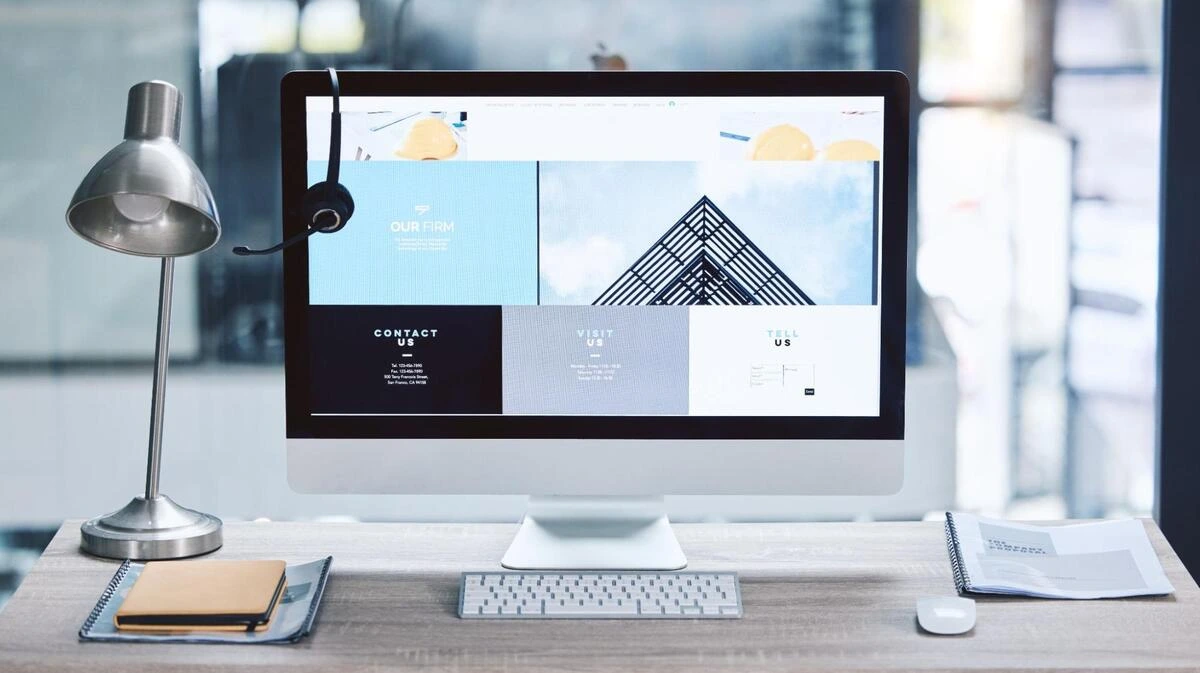
Write down what you want the website to do before you speak to any agency. Not ‘look modern’ or ‘get more customers’ — those are descriptions, not goals.
A usable goal sounds like this: ‘Generate 15 new inquiry calls per month through the contact form’ or ‘Reduce the number of customers calling to ask about opening hours by putting that information clearly on the website.’ Both give the designer something concrete to solve for.
Good project goals share three things: they name an action (generate, reduce, increase), they attach a number or measurable outcome, and they point to a specific part of the website. If your goals fail any of those three tests, rewrite them before your first meeting.
Before the kickoff call, make sure everyone on your side of the project agrees on the same goals. Designers work fastest when there is one clear direction, not five different opinions surfacing at different stages of the build.
2. Your Website Content
Content is the part that delays most web projects. Designers cannot build page layouts around content they do not have, which is why so many timelines slip after the initial approval. Before your brief, collect:
- Written copy for every page, or at least a detailed rough draft of each
- Photos you own: products, your office, your team, or your service in action
- Your logo as a high-resolution file — SVG or PNG with a transparent background
- Any videos you want on the site, or a note that they still need to be produced
Not having all the content ready is not a dealbreaker, but it has a cost. Most agencies offer copywriting and photography as paid add-ons. If you know upfront that you need those services, you can budget for them and factor them into the timeline. Finding out at week three, when the designer is waiting on a hero image you have not taken yet, is a very different situation.
Be honest about what you have and what you do not. The conversation goes better, and so does the project.
3. Your Branding Materials
Your logo, colour codes, and preferred fonts should be in one folder before your first meeting. The hex code for your brand colour is the exact value designers use; a six-character code like #1F3A6E. ‘Navy blue’ is not sufficient because there are hundreds of navy blues, and picking the wrong one means revision rounds.
If you have had design work done before, business cards, brochures, flyers, or social media graphics, bring samples of those, too. A brand style guide is ideal, but most small businesses do not have one. A folder with the logo file, two or three colour codes, and a few examples of past design work is enough.
Without these materials, your designer makes visual decisions on your behalf. They make them with skill, but they are still guesses. Providing your branding materials means the new website extends what you have already built rather than starting fresh in a different visual direction.
4. Examples of Websites You Like and Dislike
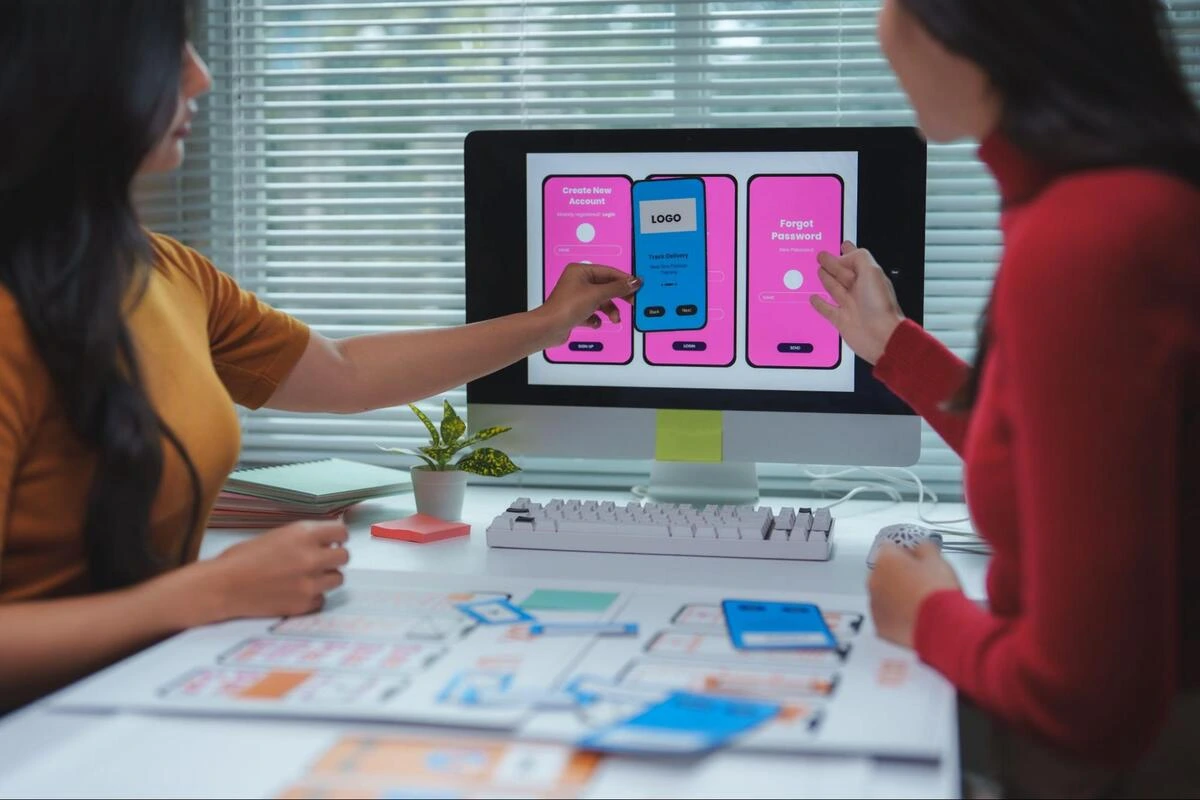
Collecting examples is the fastest way to communicate visual preference without needing design vocabulary. You do not need to know the difference between a serif and a sans-serif font; you just need to know which websites feel right when you look at them.
Find three to five websites you like and write a short note beside each one: what specifically works. Is it the clean layout? The colour palette? The amount of text on the screen? How does the navigation behave on mobile? The more specific your notes, the more useful they are to the designer.
Do the same for websites you dislike. A list of what you want to avoid is as useful as a list of what you want to include. Both together give the designer a clear visual brief before a single pixel has been placed.
Your competitors’ websites belong in this list too. The designer needs to see the standard in your industry before deciding how similar or different your site should look. Sometimes the right call is to align with the industry style so customers recognise you as credible. Other times, standing apart is the stronger move. That decision cannot be made without knowing what the competition looks like.
5. A Short Description of Your Customer
This is the item most businesses skip — and it shows in the finished website. A site built without any understanding of the audience tends to be designed to impress the client rather than to work for the customer.
You do not need a formal research document or a professional marketing brief. A short paragraph is enough. Include: who your typical buyer is, roughly where they are based, how old they are, what they search for when they need your product or service, and the one question they always ask before deciding to buy.
That last point — the question they always ask — is especially useful. If every customer asks ‘how long does delivery take?’ or ‘do you work with small businesses?’, that question belongs on the homepage. A designer who knows this can put the answer where visitors will find it before they have to ask.
This single paragraph influences the language on every button and heading, the layout of the contact section, and whether a WhatsApp button serves your audience better than a standard contact form.
Essential Website Preparation Checklist
Use this table as a reference before your first agency meeting. Bring every item in the ‘What to Prepare’ column, even if it is a rough draft.
| Item | What to Prepare | Why the Agency Needs It | Editable Later | Notes |
|---|---|---|---|---|
| Project Goals | Written list of what the website should achieve | Every design and copy decision flows from the goal — without it, the designer is guessing | Yes | Use specific outcomes: ‘generate 15 leads/month’ beats ‘get more customers’ |
| Website Content | Draft copy, owned photos, videos, and supporting files for each page | Layouts cannot be built around content that does not exist yet | Yes | Missing content is the most common cause of project delays — gather it first |
| Branding Materials | Logo file (SVG or high-res PNG), hex colour codes, preferred fonts | Keeps the new site consistent with everything the business has already put out | Yes | ‘Navy blue’ is not enough — provide the exact hex code (e.g. #1F3A6E) |
| Example Websites | 3–5 URLs of sites you like and dislike, with a short note on each | Aligns visual expectations faster than any written brief can | Yes | Include competitors — the designer needs to see the industry standard before deciding how to position yours |
| Customer Description | Who your buyer is, what they search for, and the question they always ask before buying | Shapes language, layout, and the right contact method for the specific audience | Yes | A short paragraph is enough — no formal research required |
Before Your First Meeting

Put all five items in one shared folder and send it to the agency before the call. Google Drive or Dropbox both work well. This gives the designer time to review everything in advance, which means the first conversation moves faster and covers more ground.
Agencies quote more accurately when they can see your content volume, understand your brand, and review your goals before the meeting. A vague brief produces a vague quote. A prepared one produces a quote you can actually compare and make a decision on.
If any of the five items is not ready, note that clearly in your message. It is far better to say ‘we do not have photos yet’ than to say nothing and have it surface as a surprise two weeks into the project.
Ready to Build Your Website?
If you have your project goals, content, and branding materials ready, you are already ahead of most clients. Share what you have with us, and we will send you a clear, no-obligation quote.
Not quite ready yet? That is fine too. Call us at +65 6362 0123, and we can walk you through exactly what you need before we start.